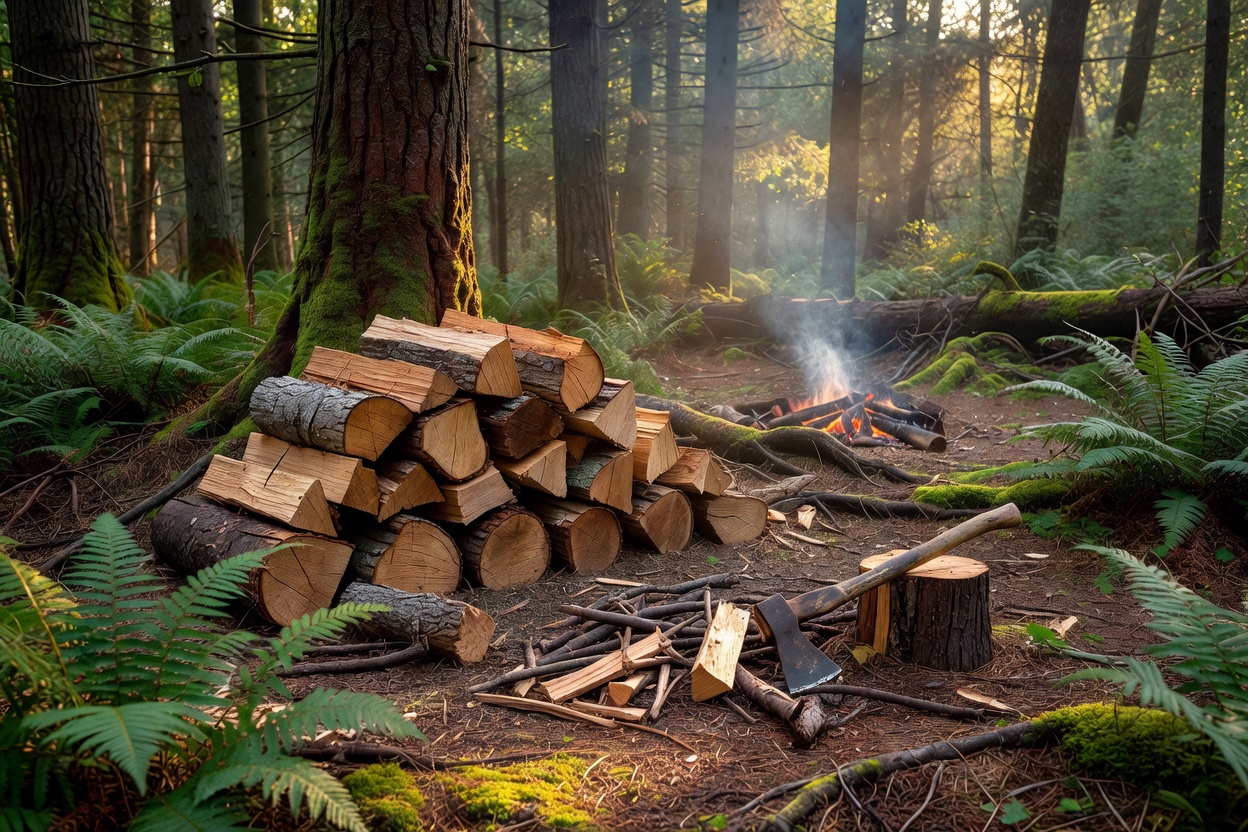
It’s tempting to sort wood into neat tasting notes: one sweet, one bold, another delicate. Those shorthand descriptions can help start a conversation, but they aren’t promises. The result depends on more than species, and a label can’t tell you whether the fuel is clean, dry enough for its purpose or burning well in a particular smoker.
Start with sound, suitable fuel
Many smokehouse cooks choose hardwoods, but their specific choices vary with local availability, tradition, equipment and the food. Broadly, some woods are treated as more assertive and others as gentler; that’s a working impression, not a universal flavour law. Different batches of the same species can vary, and the fire changes what their smoke contributes.
Wood condition matters. Seasoned fuel has been dried for use, while overly wet material can be difficult to burn cleanly and may produce an unpleasant, heavy smoke. Very dry or small pieces can behave differently again, catching quickly and changing the fire’s intensity. Size and consistency matter because a stable supply of fuel is easier to manage than a pile of unpredictable offcuts.
Store wood in a dry, ventilated place, protected from contamination and pests. Keep it off damp ground where practical, and separate cooking fuel from treated, painted, glued or otherwise unsuitable material. Never assume scrap timber is appropriate just because it burns. Follow equipment guidance and source fuel intended for cooking.
Clean combustion is a practice
Fuel is only one part of the fire. Combustion needs an appropriate supply of air and a firebox that can handle the chosen fuel. When a fire is starved of oxygen or burdened with unsuitable material, smoke may become dense and acrid. A steady fire with a suitable air path can produce smoke that is less harsh, though “clean” isn’t a guarantee of a particular taste or a substitute for sound operation.
Airflow connects the fire to the cooking chamber. Inlets, dampers, exhaust and chamber geometry influence how heat and smoke travel. A change to the vent setting may alter the burn, the temperature and the movement of smoke together. That is why adjusting one control at a time, then observing, is usually more informative than making several dramatic changes at once.
The ingredient has a vote
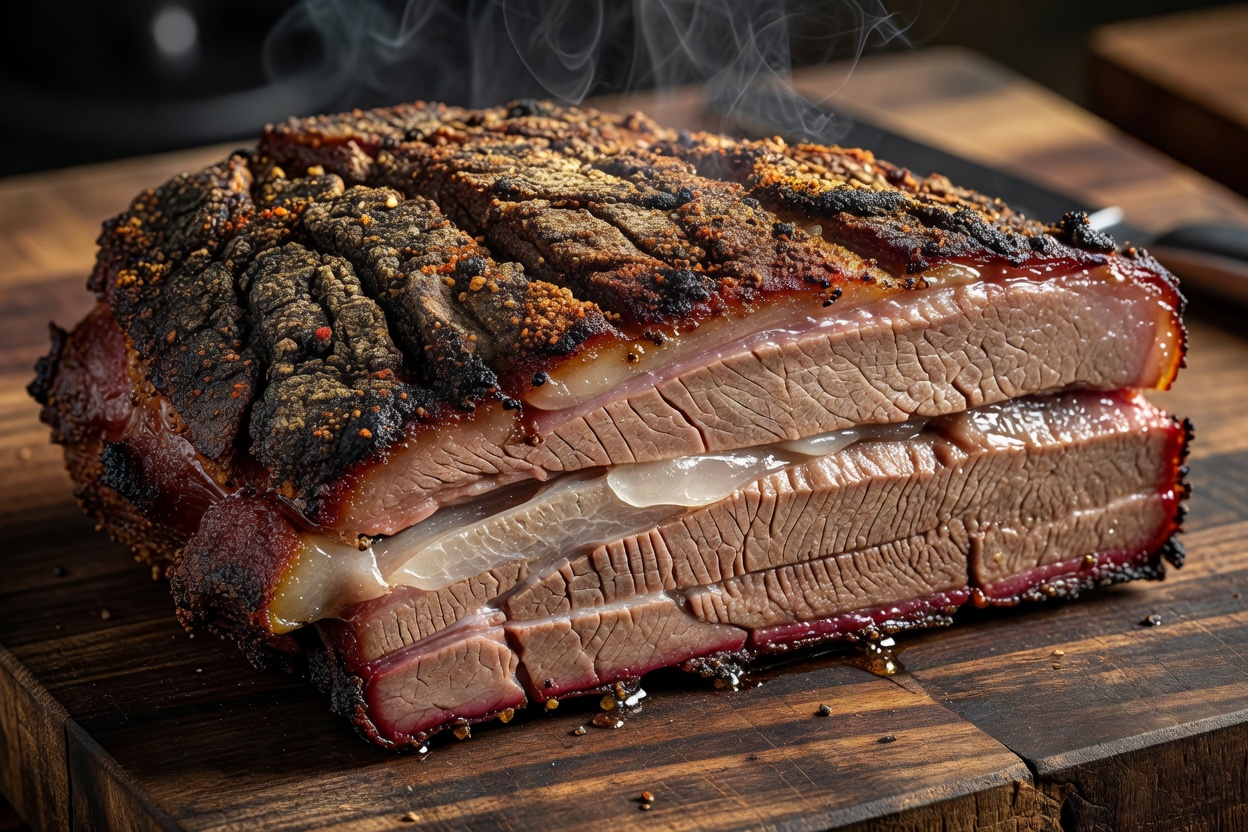
Food type and preparation affect how smoke is perceived. Fat can carry flavour and give a rich impression; lean ingredients may show smoke more directly. Surface moisture, seasoning, cut size and texture also matter. A thin piece has a different exposure from a large joint, while a smooth surface can respond differently from one with a dry rub or a developing crust.
Time and temperature interact with those properties. A longer cook isn’t necessarily a smokier-tasting cook in a pleasing way. If the surface gets too dry or the smoke is heavy, additional exposure can turn bitter. For a subtle result, cooks may use cleaner combustion, shorter exposure or smoke finishing rather than keeping an ingredient in the chamber throughout its full cook.
Build balance around the smoke
Smoke is strong company. Salt can sharpen flavour, while acidity from pickles, citrus or a sauce can cut richness. Herbs and fresh vegetables bring lift; a sweet note can round a sharper edge, though too much can make the plate feel heavy. A menu should let the ingredient remain recognisable instead of asking every component to compete for attention.
Think about the whole meal. If a protein carries assertive smoke, a gentler vegetable or a crisp, acidic side can provide contrast. If several courses are smoked, vary the intensity and texture so the palate gets a change of pace. There is no fixed formula: tasting, adjusting and recording what worked is more dependable than a wood-name rule.
Choose and handle fuel responsibly
Ask where cooking fuel comes from and whether the supplier can describe the species and handling. Responsible sourcing depends on the supplier and region; don’t assume a sustainability claim without supporting information. Keep fuel dry and clearly separated from chemicals or non-food materials. Remove unsuitable pieces, and follow local requirements for storage and fire safety.
For operators, consistency is useful but shouldn’t erase observation. Check each delivery, keep a practical stock rotation, and note changes in burn behaviour. Diners can ask which wood or fuel is used, how prominent the smoke is meant to be, and whether it’s used throughout cooking or as a finish. Answers may vary by dish and service.
Curious about how the fire moves through different equipment? Read the guide to smoker design. To connect fuel choices with cooking methods, explore experimental smoking techniques.