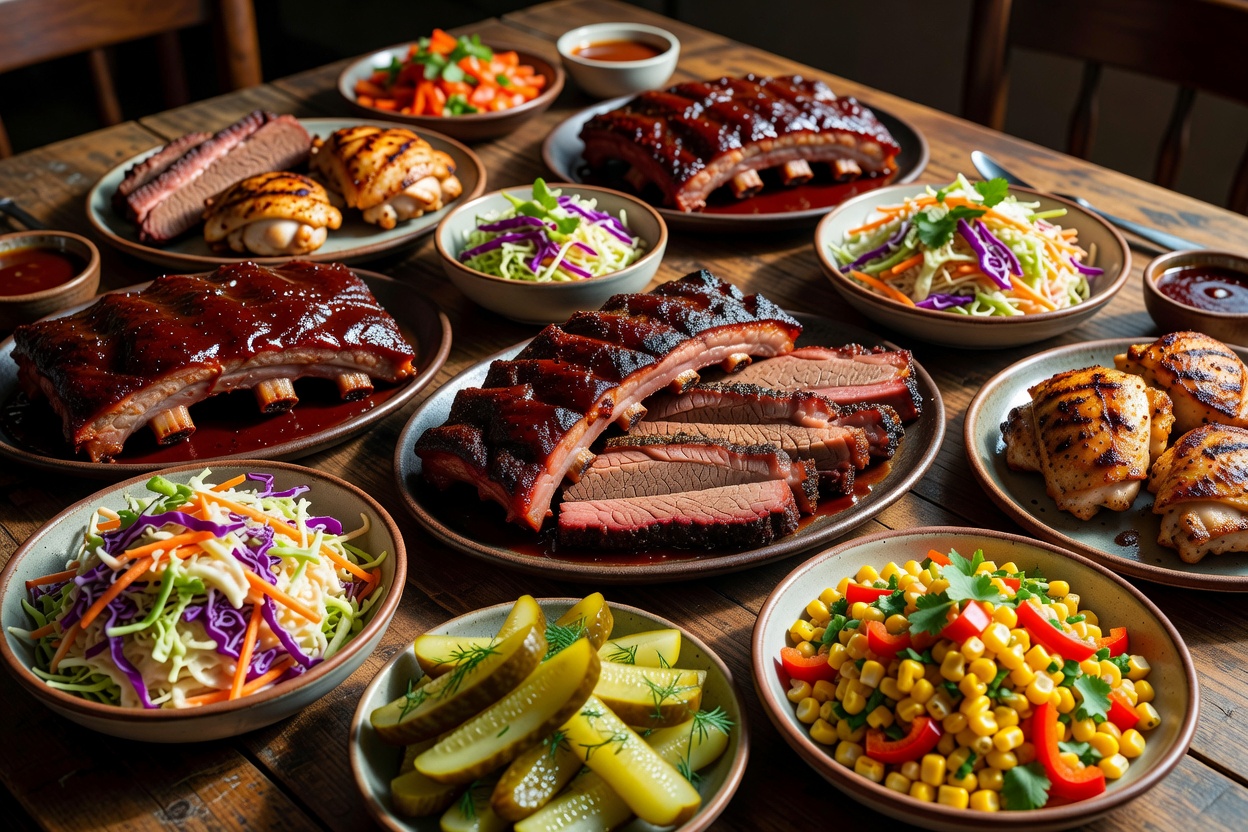
“Barbecue” can mean different techniques, foods and social rituals depending on where you are and who is speaking. It isn’t one universal method dressed in different sauces. Treating it as a single recipe erases the local choices, histories and adaptations that make particular foodways meaningful.
Technique is shaped by place
Regions and communities have developed ways of cooking with the fuels, ingredients, tools and conditions available to them. Some traditions centre on long cooking over indirect heat; others use direct grilling, pits or equipment designed for a different rhythm. Smoke may be central, subtle or not the defining feature at all. There is no rule that every barbecue must use the same meat, wood, sauce or cooking temperature.
Climate and landscape can influence fuel availability, storage and outdoor cooking. Local agriculture affects which animals, vegetables, grains and seasonings are common. Trade, migration and family practice also shape what people cook and how they serve it. These influences overlap and evolve; food traditions are living practices, not museum labels.
Seasonings and sauces can serve different roles: a dry seasoning before cooking, a baste during the process, a finishing sauce, or a condiment at the table. Accompaniments—bread, pickles, vegetables, beans or other sides—are not background decoration. They can provide freshness, acidity, starch, crunch and cultural context alongside the central cooked ingredient.
Modern interpretation needs a point of view
A contemporary restaurant might borrow a fire-management idea, reinterpret a flavour combination or bring contrasting techniques together. That can make thoughtful, exciting food. The risk is flattening a tradition into an aesthetic shorthand: a name on a menu, a sauce colour or a piece of equipment does not explain the people and practices behind it.
Start by learning from reliable voices connected to the foodway. Be specific about what informs a dish, and avoid claiming authenticity as a marketing flourish without a meaningful basis. If a menu takes inspiration rather than reproducing a traditional practice, clear language can say so. Credit and cultural care are not constraints on creativity; they help make the creativity legible.
Keep tradition and experimentation in conversation
Traditional methods can be precise, even when their knowledge is passed through observation rather than a digital controller. An experimental kitchen can learn from that sensory attention while also using probes, notes and controlled equipment. Technology may help repeat a process, but it doesn’t automatically make the result more respectful or more delicious.
Combining approaches has advantages: a familiar technique can meet a new ingredient, or a menu can let guests compare different textures and levels of smoke. It also has limits. A hybrid dish can become muddled if every influence is competing; technical changes can alter a process in ways that require fresh testing; a recognisable reference may imply a claim the cook cannot support. Make the choices deliberate and be ready to explain them.
Build a plate with more than the centre in mind
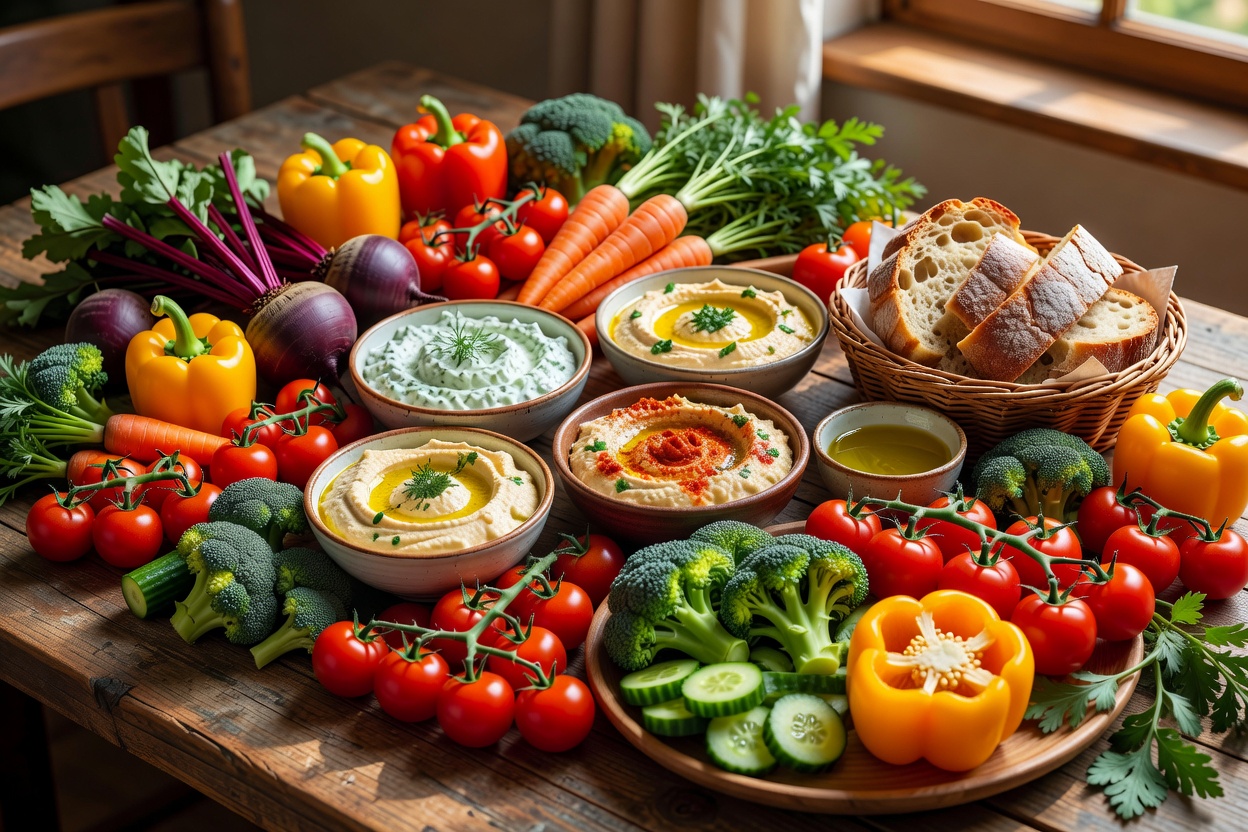
Side dishes and service customs deserve thoughtful planning. A rich smoked portion might pair with a bright pickle or crisp vegetable; a sauce may be served alongside rather than coating everything. Bread, grains or other starches can give a meal a different cadence. These are useful culinary questions, but specific combinations belong to specific traditions and should not be presented as interchangeable symbols.
Menu development also involves availability, preparation time and service flow. Some components can be made ahead; others are best finished close to serving. The equipment and the kitchen’s capacity affect what is practical, while safe storage and reheating rules still apply. Regional character should not come at the cost of basic food safety.
Questions for a curious diner
Ask what a menu means by a regional reference, what technique shapes a dish, and which accompaniments are intended to be eaten together. A restaurant need not offer a lecture, but a clear answer can show care. You can also ask how smoke-forward the food is, whether a sauce is optional and whether the kitchen can explain the ingredients.
For a closer look at how a well-planned plate fits a service, read the guide to menus and dining. To understand fuel choices without turning them into simplistic regional shorthand, explore wood, smoke and flavour.
The goal isn’t to freeze traditions in place or to claim that every new idea is a breakthrough. It’s to cook with curiosity, acknowledge where ideas come from and make choices a guest can understand. That’s a more durable kind of innovation than simply putting “modern” in front of barbecue.