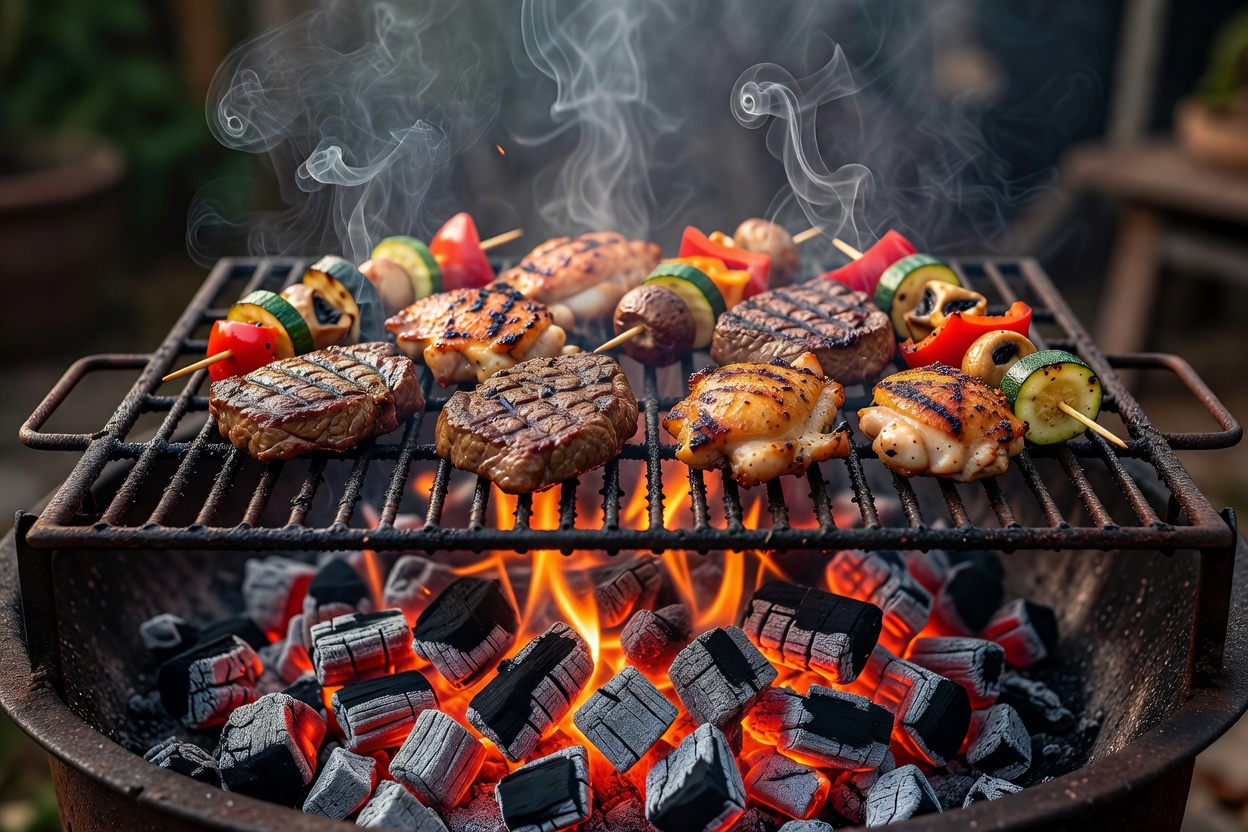
There isn’t one master temperature or a magic wood chip that makes every ingredient sing. Smoking is a set of methods, each with its own balance of heat, time, airflow and exposure. That’s good news: a cook can choose the process that suits the food instead of asking the food to suit a fashionable technique.
Four approaches, four jobs
Hot smoking cooks and flavours food in the same process. Heat from the fire or a controlled source raises the food’s temperature while smoke deposits aroma and colour on its surface. It can suit many ingredients, but the right conditions and endpoint depend on the food and the equipment.
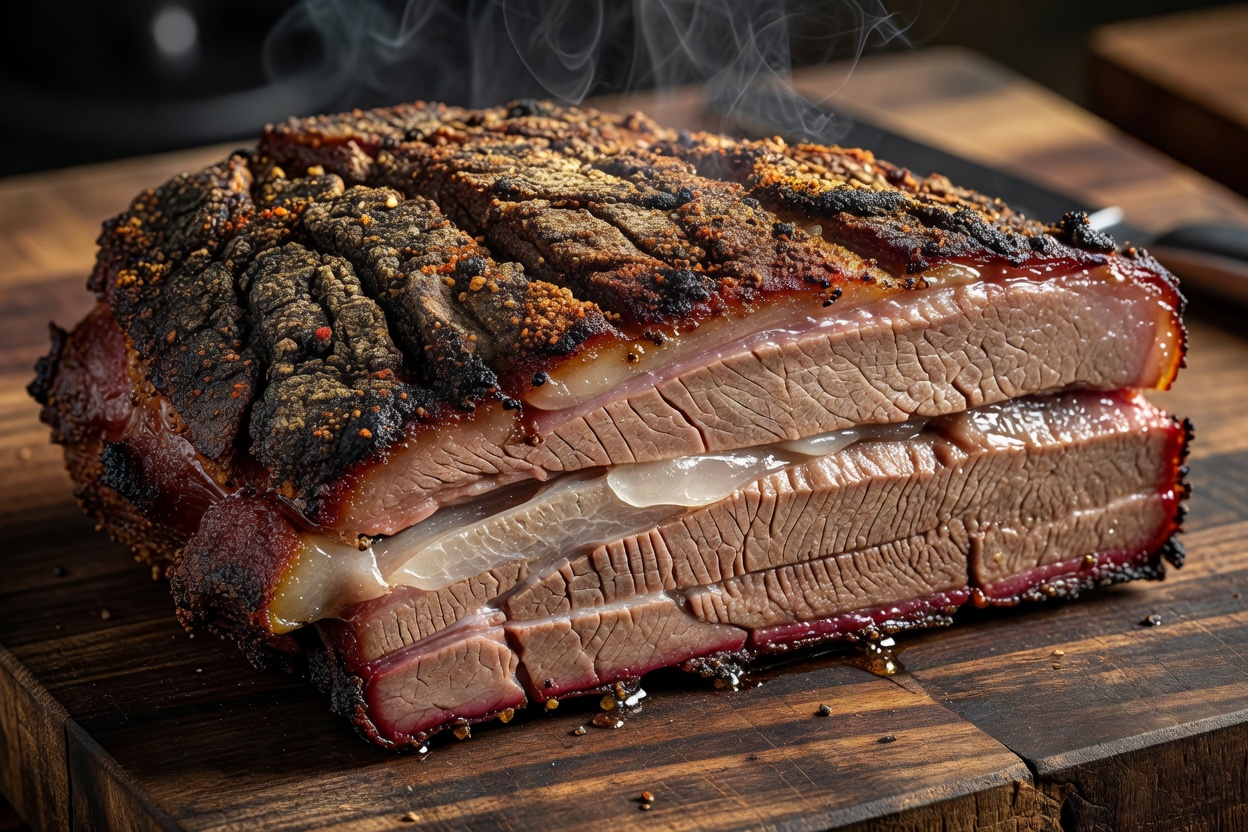
Low-and-slow cooking describes a patient approach using relatively gentle, controlled heat over an extended period. Smoke may be part of the cooking environment, but the goal is also to give connective tissue and dense cuts time to change. “Low” isn’t a universal number: chamber readings vary, and the food’s size, shape and starting condition matter.
Cold smoking applies smoke without deliberately cooking the ingredient. It may add aroma to foods that will be cooked later, or be used within a carefully controlled preservation process. Cold smoking does not necessarily cook food, and smoke alone does not make it safe. Ingredients, curing where relevant, temperature, time, sanitation and the full process determine safe handling; use a validated procedure appropriate to the food.
Smoke finishing adds a short, controlled exposure near the end of another cooking method. It can bring a fresh aromatic edge to an already cooked ingredient, without asking smoke to carry the whole dish. It’s a useful adjustment, though subtlety is not automatic: a small chamber or intense smoke can still dominate.
What the food and fire are telling you
Time and temperature work together. Longer exposure can deepen surface colour and aroma, but it can also dry a small or lean ingredient. A thick piece heats differently from a thin one; a whole fish differs from a fillet. Measure the food with an appropriate probe rather than relying on a chamber dial as a stand-in for what is happening inside it.
Airflow supports combustion and moves heat and smoke through the chamber. Too little air can encourage dirty, acrid smoke; a vigorous fire can push the temperature beyond the intended range. Humidity, whether from the food, the surrounding air or a managed cooking environment, influences surface drying and heat transfer, but adding water is not a universal fix. It may steady conditions in one setup and complicate another.
Smoke affects aroma and surface appearance most readily. A dry exterior can take on colour differently from a damp one, while fat and surface texture influence how flavours are perceived. Smoke doesn’t penetrate every ingredient evenly or endlessly. More exposure can mean more bitterness, not more sophistication.
Preparation is part of the method
Trim with purpose: remove unwanted excess while retaining useful fat where the cut benefits from it. Seasoning may form a savoury crust or simply provide balance. Curing is a separate, controlled process used for specific results, not a casual synonym for salting. If a recipe or process calls for curing, follow reliable, tested guidance precisely. Resting after cooking allows temperatures and juices to settle; finishing with acid, herbs or a light sauce can lift a rich, smoky result.
Experiment gently, measure consistently
To tune smoke intensity, change one variable at a time. Try a shorter exposure, cleaner combustion, a different placement in the chamber or a milder finishing stage. Keep notes about ingredient size, preparation, fuel condition, airflow and measured temperatures. A simple record turns “I think it was better” into a useful comparison.
Choose measurement tools that suit the process and check them according to their instructions. Food-safety controls matter as much as flavour: avoid cross-contamination, manage refrigeration and holding correctly, and follow ingredient-specific safe cooking guidance. Smoking, curing and extended low-temperature cooking are not automatically safe just because the result looks done.
Questions worth asking at the table
A curious diner can ask whether a dish is hot-smoked or smoked as a finishing step, how prominent the smoke is intended to be, and what ingredients or sauces balance it. Operators can ask similar questions when developing a menu: Does the process fit the ingredient? Can it be repeated safely during service? Is smoke supporting the food, or merely announcing itself?
Good experimentation isn’t a stunt. It’s controlled curiosity. To see how airflow shapes the result, continue with custom smoker design and fire management; for a closer look at the aromatic side, read wood, smoke and flavour.